Featured Instruments |
|||
|
|
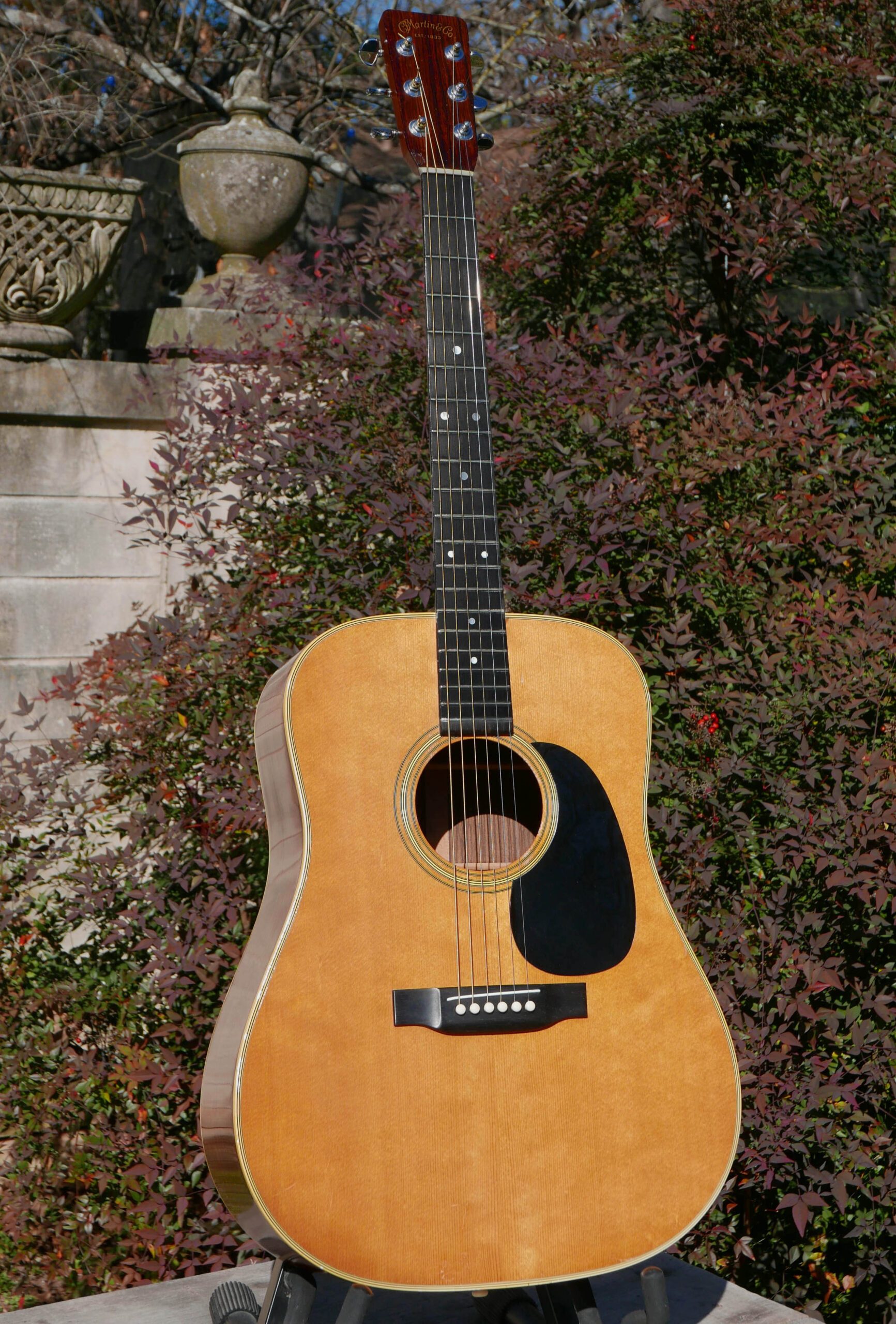
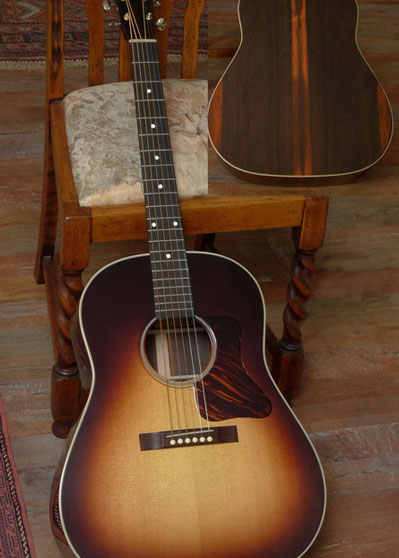
1964 Martin D-28 Dreadnought Brazilian RosewoodThis Brazilian Rosewood D-28 dreadnaught from one of Martin’s finest eras, is special. Its structural integrity, and originality, are rare. And it’s one of the last Martin D-28’s made when Martin still used hide glue for guitar construction.
|
Select Vintage Instruments
|
|
|
|
1937 Martin D-18 GuitarNot a “D-18A” or other reissue, but the real thing: a wonderful Martin D-18 (Serial # 67452), from the best years of Martin Dreadnought production, that has been meticulously restored, using only period-correct methods and materials, by John Allison, one of the finest luthiers in the U.S. (with the consultation of a handful of the country's top vintage Martin experts.) Most importantly, the tone of this guitar is superb, with great volume and presence, full bass response, sparkling highs– everything you would expect from a great 1930’s, 1 3/4 inch nut width, high X-braced D-18. This guitar was recently compared, side by side, with several other original 1930’s D-18’s, and war-time D-18’s, at the facilities of one of the country’s top vintage guitar dealers (who did a written appraisal of the instrument), and this instrument was superior in tone, volume, presence, and string separation (this superiority of tone is noted in the written appraisal by the country's top and most well-known expert, included with the instrument). |
||
Allison D, Brazilian Rosewood
|
|||
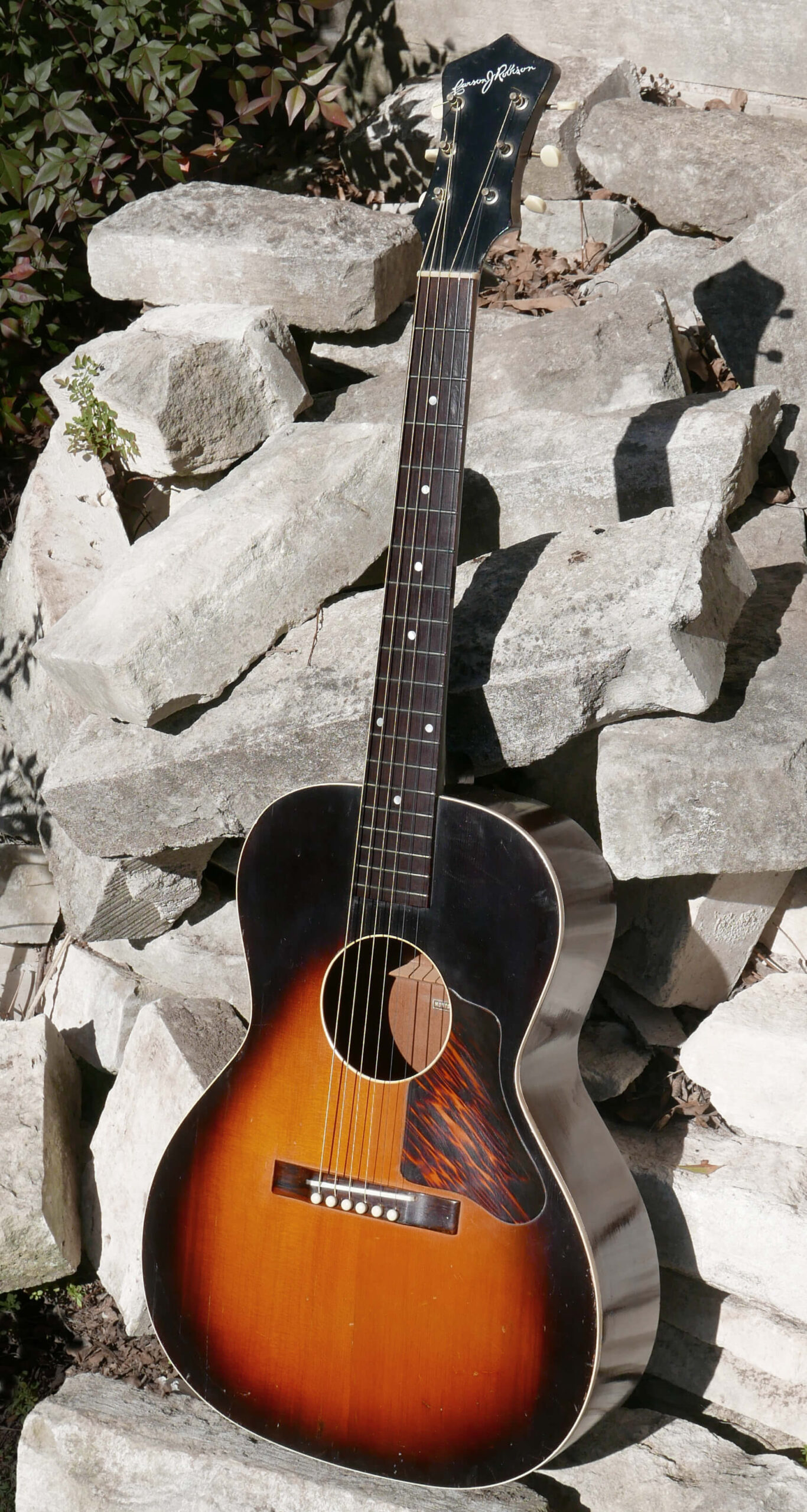
Larson Brothers Guitar, Brazilian RosewoodRobert Carl Hartman, grandson of Carl Larson, the author of the book “The Larsons’ Creations”, and the country’s top authority on Larson brothers guitar, confirmed that this guitar is a Larson brothers. But then, the minute you pick it up and play it, there is no doubt. This guitar has more volume, sustain, and just wonderful Larson tone, than larger-bodied Larson guitars we’ve owned.
|
|||
|
|
1937 Martin 0-17HIf there is a better-preserved Martin guitar from 1937, we have not seen it. This instrument is as an almost time-capsule condition 0-17H, still in its original case. And of course with its original Hawaiian set up. Many people convert these pre-war Martin Hawaiian set up guitars, to “Spanish” style, i.e. regular steel-string flat top set up. And that is certainly an option for whoever acquires this instrument. But this example, is just too nice, and too original for us to want to convert it. And the tone is exquisite (On request, we’ll send you a link to a video/audio clip of one of this country’s best, most famous dobro/pedal steel players playing slide on this great Martin 0-17H, right here in our shop.) All mahogany of course: mahogany back, sides, and top. Brazilian rosewood bridge, and fretboard. The guitar has no play wear. We won’t call it pristine– even under-the bed-guitars that have not really been played,
|
||
|
|
1960 Martin 00-28GA wonderfully balanced and resonant Martin 00-28G, with some of the most beautiful Brazilian rosewood you’ll see on any Martin guitar, and in wonderful, crack-free, original condition. The Martin “G” is very different from the “C”. The “C” has the Martin 12 fret body. The “G” model used the 14-fret style body shape, but with the 12 fret neck, slotted headstock, and 25.4 inch scale. The 00-28G was first produced by Martin in 1936, and was discontinued in 1962, when Martin went to all “C” style for nylon string guitars. The 00-28G was Martin’s top of line model for nylon strings, from 1936, to 1962… and this guitar is the best example available on the market. |
||
Rare 1850’s Martin 1-21 1855-1860 Martin “transitional”1-21. A very rare and exquisite large size Martin from the pre-1867 era. “Large size” Martin from the 1850’s, because the Size 1, and 0, were the only “large” size Martins in those years. And there is currently not a single other size 1 or 0 size pre-1867 Martin guitar on the market. |
|||
1965 Martin 000-28CA wonderfully preserved, crack free 12 fret 000-28 Martin, with gorgeous Brazilian rosewood back and sides. The tone of this instrument is wonderful. It stands up to many high end Spanish made classical guitars of the period for Brazilian rosewood warmth. While intentionally not built for concert hall volume, the bass tone and clarity of the trebles on large-bodied Martin nylon strings guitars with Brazilian back and sides is unsurpassed.
|
|||
1966 Martin 00-28CAnother wonderful instrument with top grade Brazilian Rosewood back and sides. The Brazilian rosewood on this in instrument is more figured on the sides, and the back shows wonderful bookmatched figuring. This is an all-original guitar. There are no cracks that go through the wood. There are several finish/superficial cracks in the finish, one on the top near the bottom/endpin area, and one on the back. And a bit of crazing in the top finish.
In its original hard shell case. $3250.
|
|||
|
|
1894 C.T. Beitel (Martin) GuitarThis extraordinary guitar, completed by C.T. Beitel in June of 1894, is signed and dated by him on the underside of the top. The guitar is in remarkably original condition. And it plays wonderfully.
|
||
1859 Louis Schmidt GuitarThis guitar is the last known guitar in existence, made by Louis Schmidt, the famous contemporary and one-time colleague to the founder of Martin Guitars, the original C.F. Martin. As such, it is a rare example of early American guitar making. And it’s signed by the maker, on the underside of the Adirondack top:
Louis Schmidt worked side by side with CF Martin in the early years. Perhaps the most common misconception about early American guitar history is that C. F. Martin |
|||
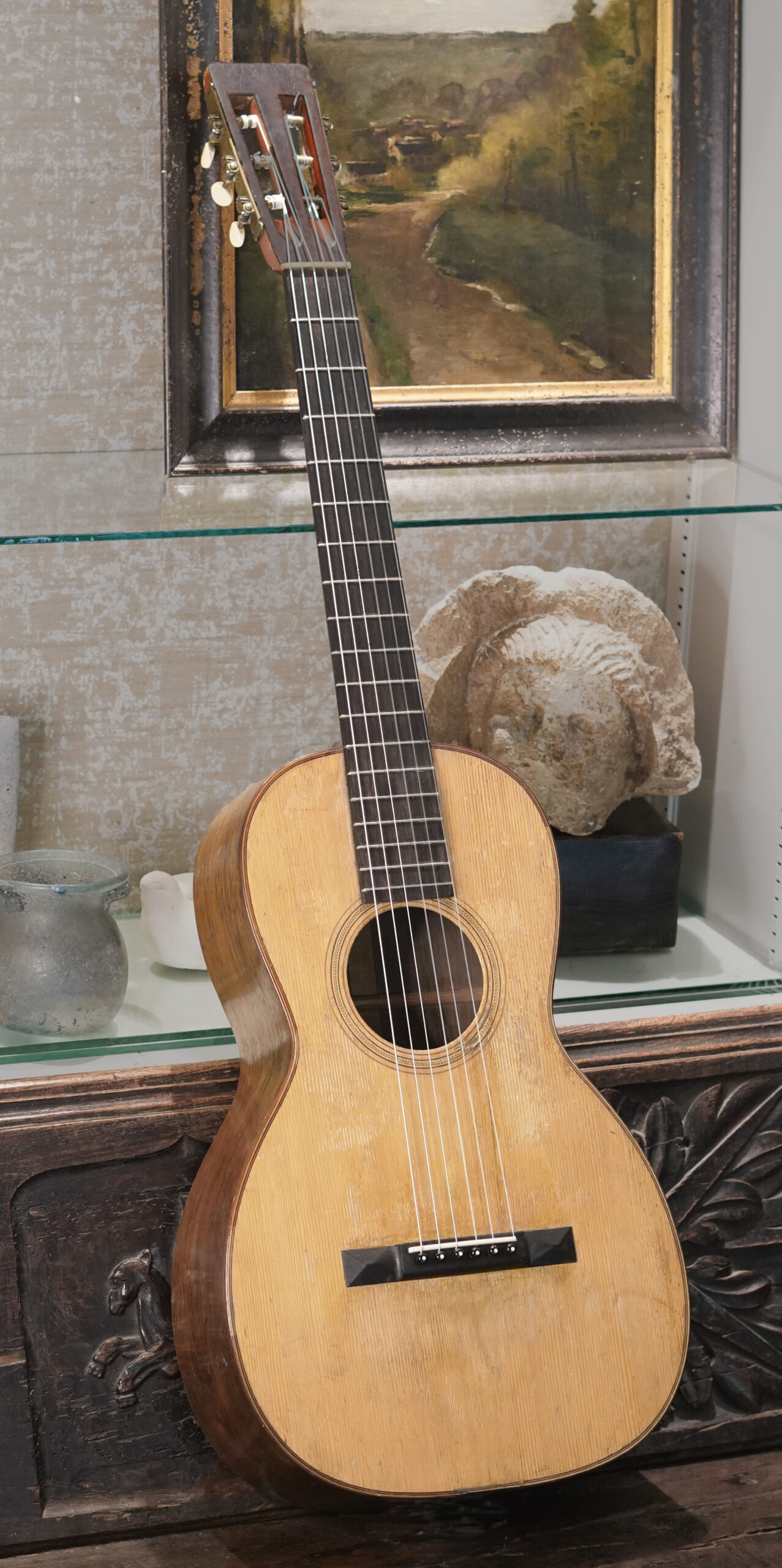
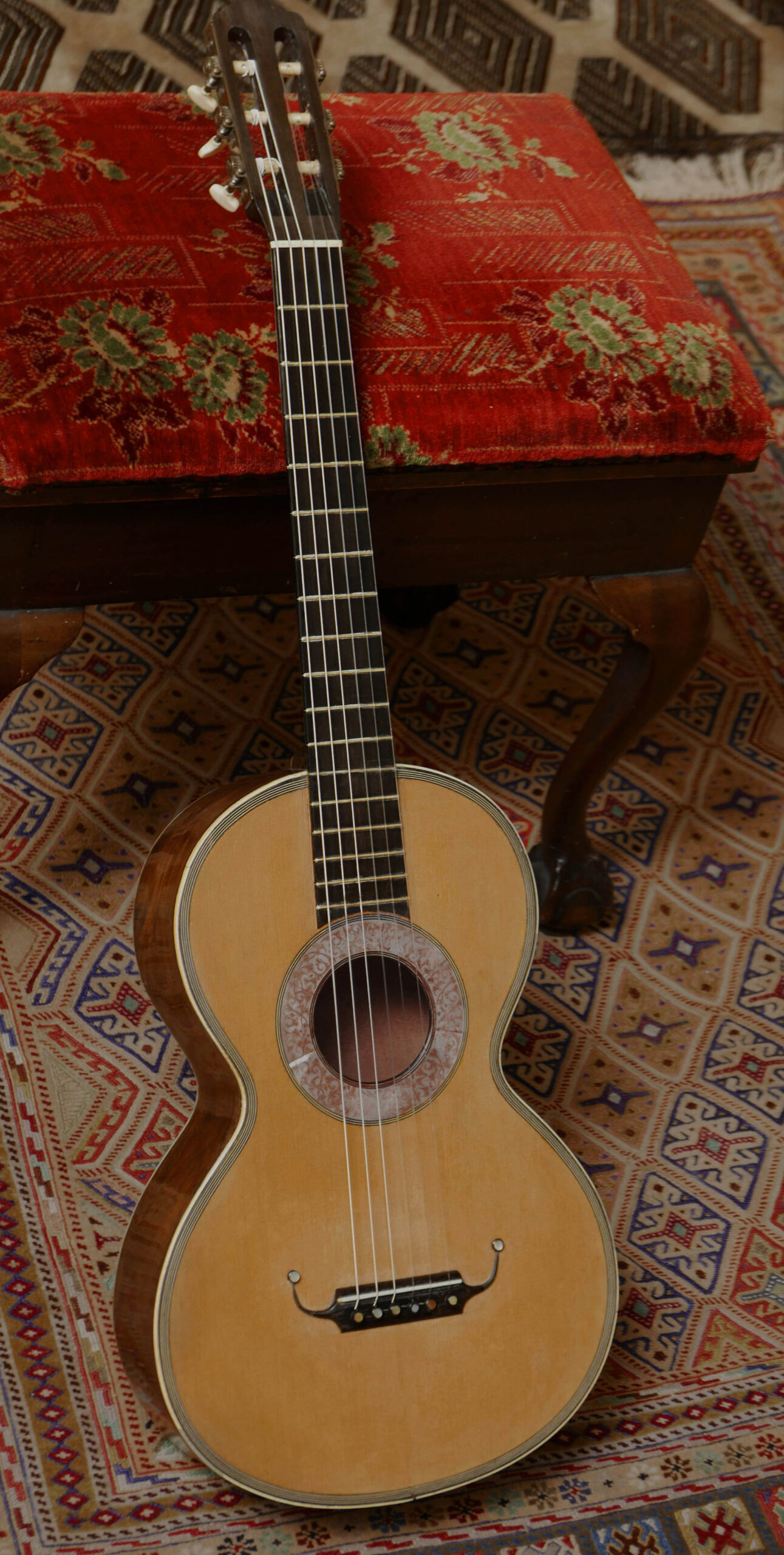
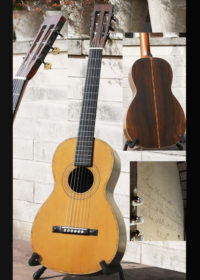
1850-60’s John Ashborn, Style 1 GuitarCirca 1860 parlor guitar style 1 built by well known luthier, John Ashborn of Wolcottville, CT, for William hall & son music store. Brazilian rosewood back and sides; Adirondack top; maple binding.
|
|||
1860’s Stauffer Legnani Style Guitar
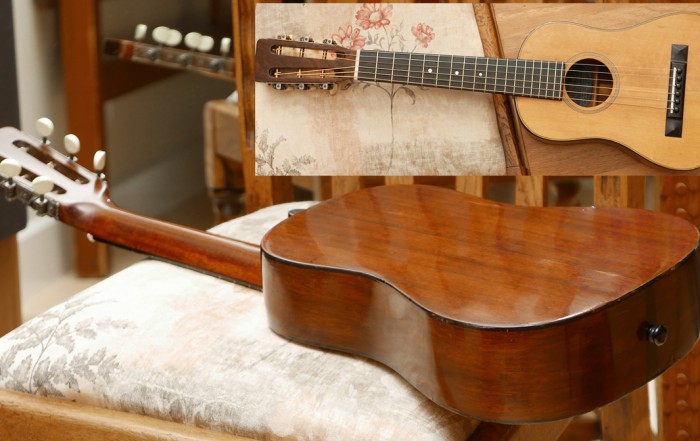
Back and sides are solid flamed maple. Top is solid spruce
|
|||
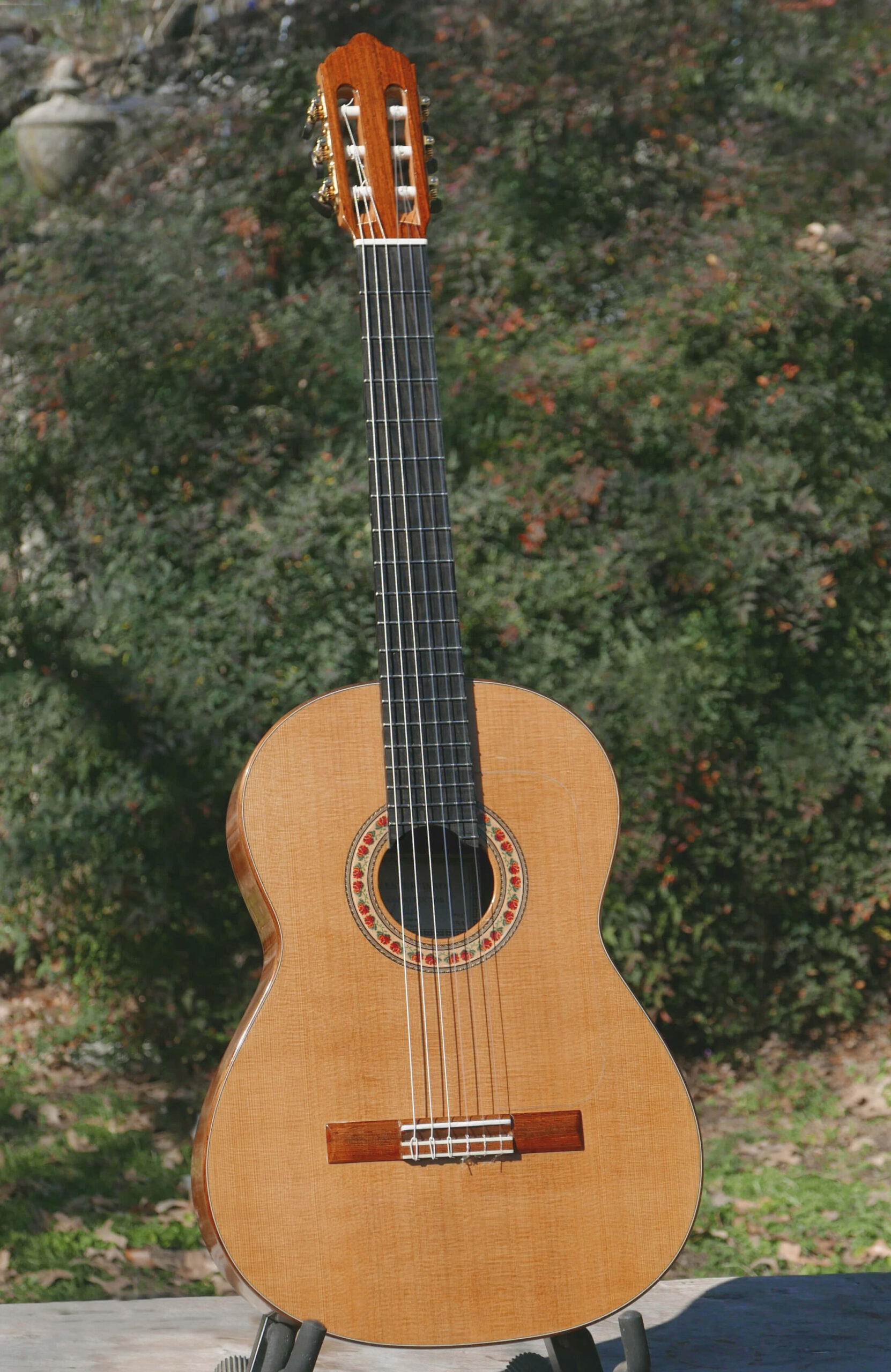
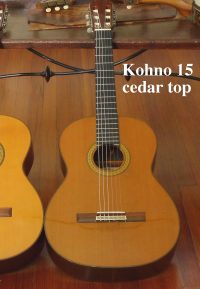
Kohno Model 10 Classical GuitarA wonderful, all original and resonant 1973 Kohno, made by the world-renowned master luthier Masaru Kohno. This instrument has the more rare long scale length, 665cm, that gives it impressive power and volume. This, coupled with a wonderful string spacing at nut of 4.4 cm, and a cedar top, makes this guitar a joy to play: loud, clear, and yet easy to play, and with a warmth from the cedar top that really sets this Kohno apart.
|